Over the last month, the whole school has been involved in exploring the significant impact human behaviours have on destroying our planet. This learning kicked off on Sir David Attenborough’s 100th birthday on Friday 8th May. Since then, every class in school has take on a different theme – they have conducted surveys, research, observations, experiments and explored a range of aspects on natural habitats, pollution, waste and our carbon footprint.
Read on to find out more about the learning each class has undertaken and how they are inspiring their peers, their families and the staff to make a change for the good of planet earth; starting now:
Class Three- Composting
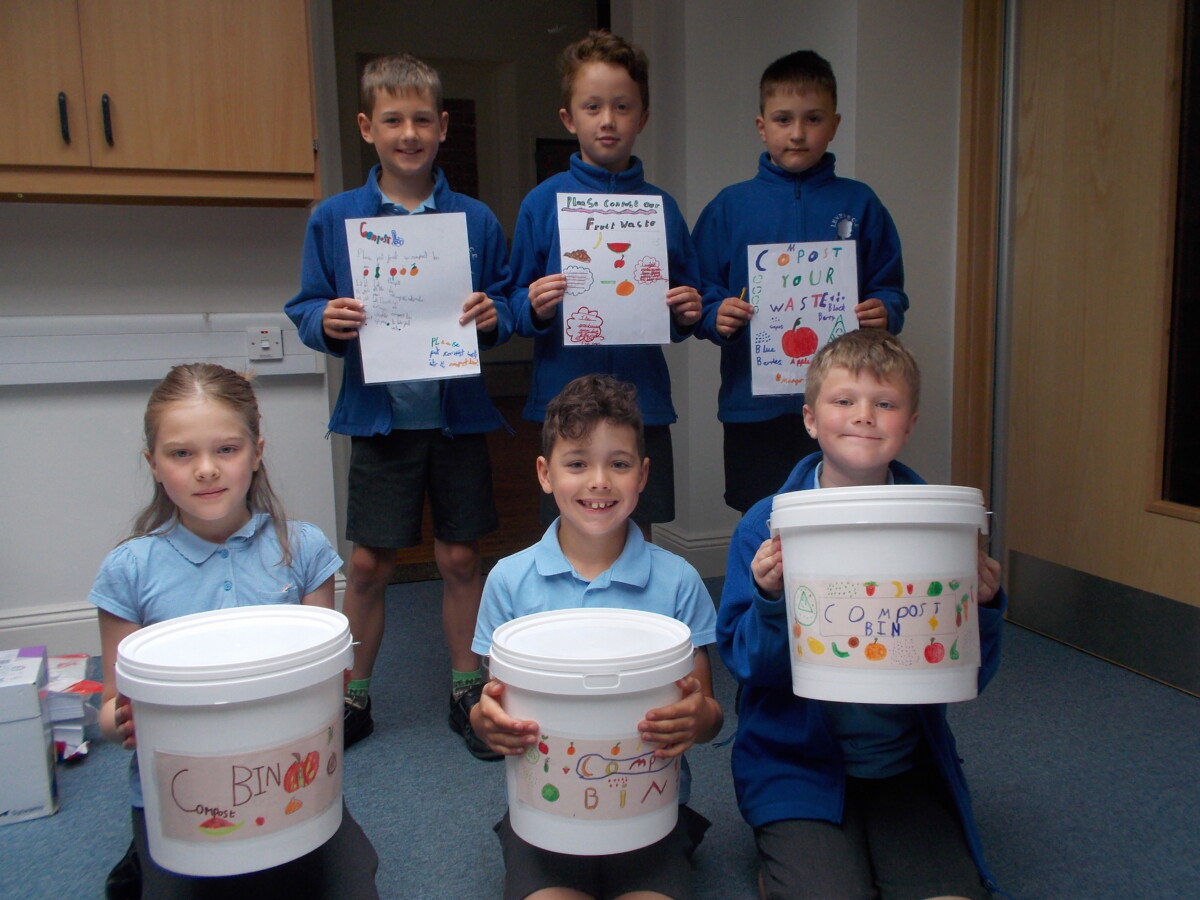
Class Three investigated what happens to our food waste in school and at home. We discovered that food waste goes to landfill and then produces methane gas and this contributes to global warming. We decided to set up a composting scheme for the fruit and vegetable waste in school. We wrote letters to members of the Playing Fields Committee to ask if we could empty our bins into the composting area of the community garden. We set up bins to collect the waste and made posters. We then investigated what happens to household food waste and discovered that other councils are using this for anaerobic digestion and created electricity and fertilizer. We then found out that Westmorland and Furness Council are not doing this and are not planning to until 2034, we feel this is not soon enough, so decided to try to persuade the council to act sooner. We wrote persuasive letters and sent these to the council.
Class One – brilliant bees!
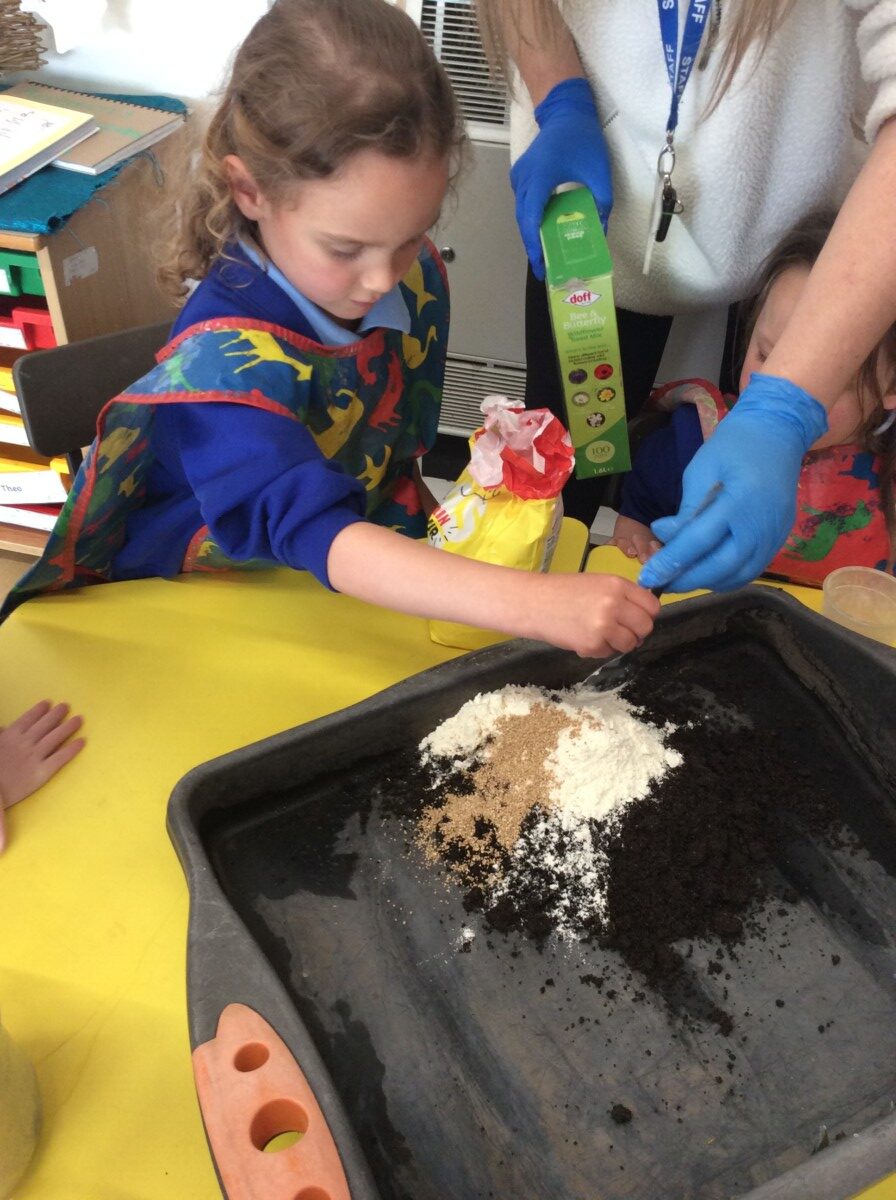
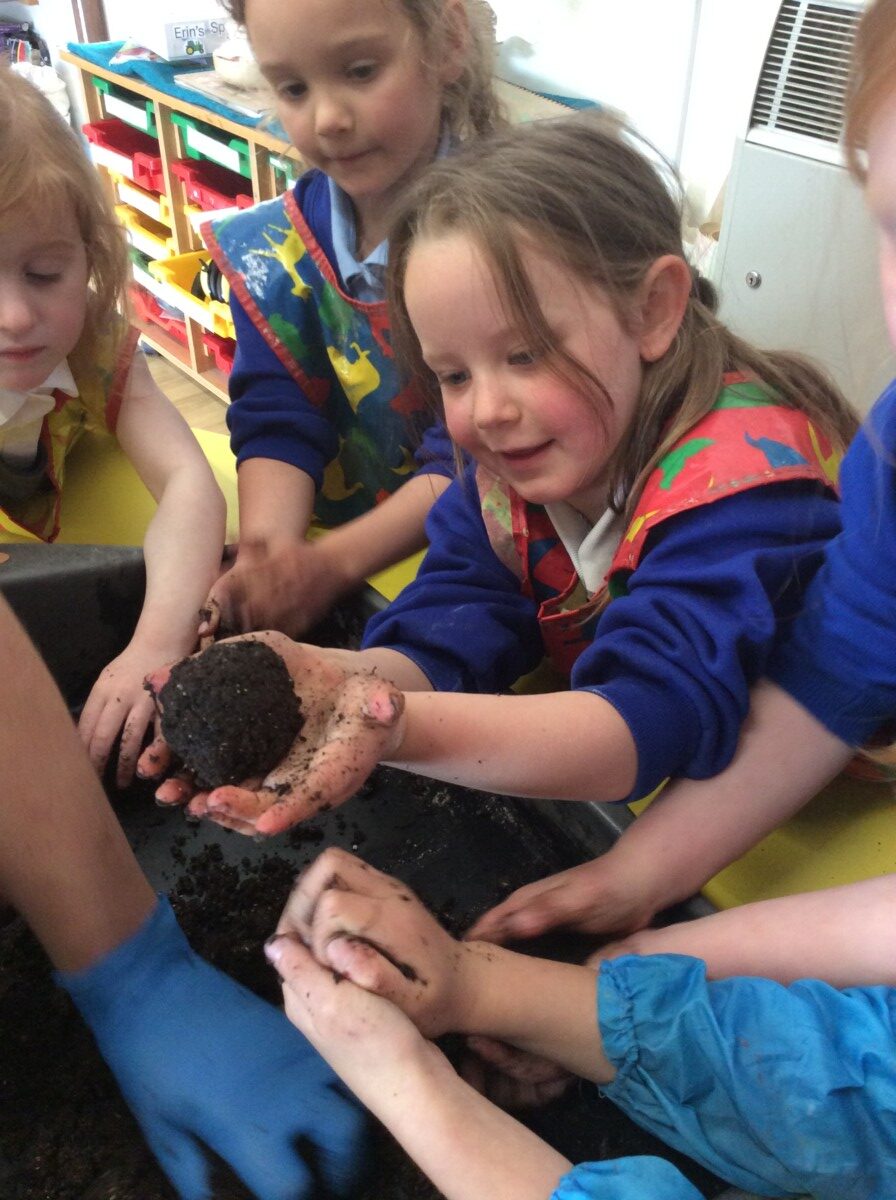
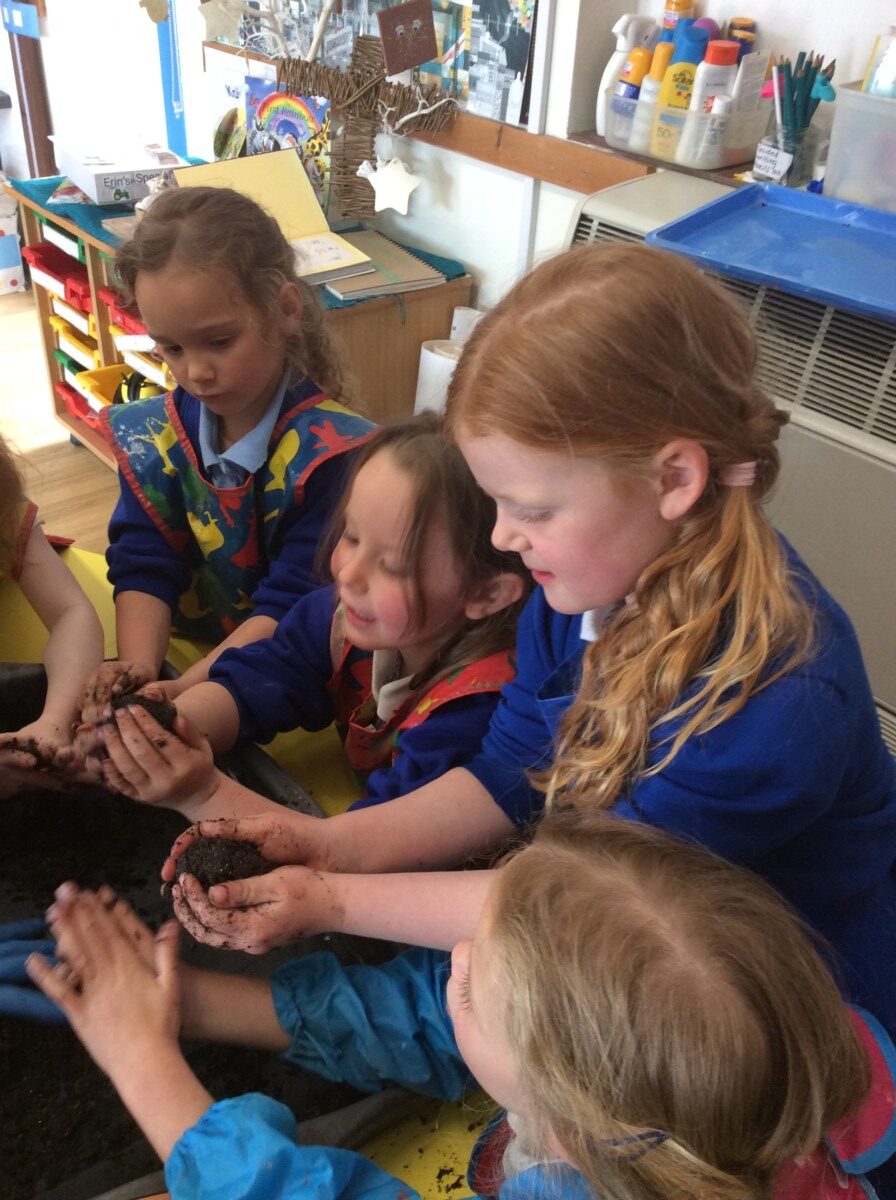
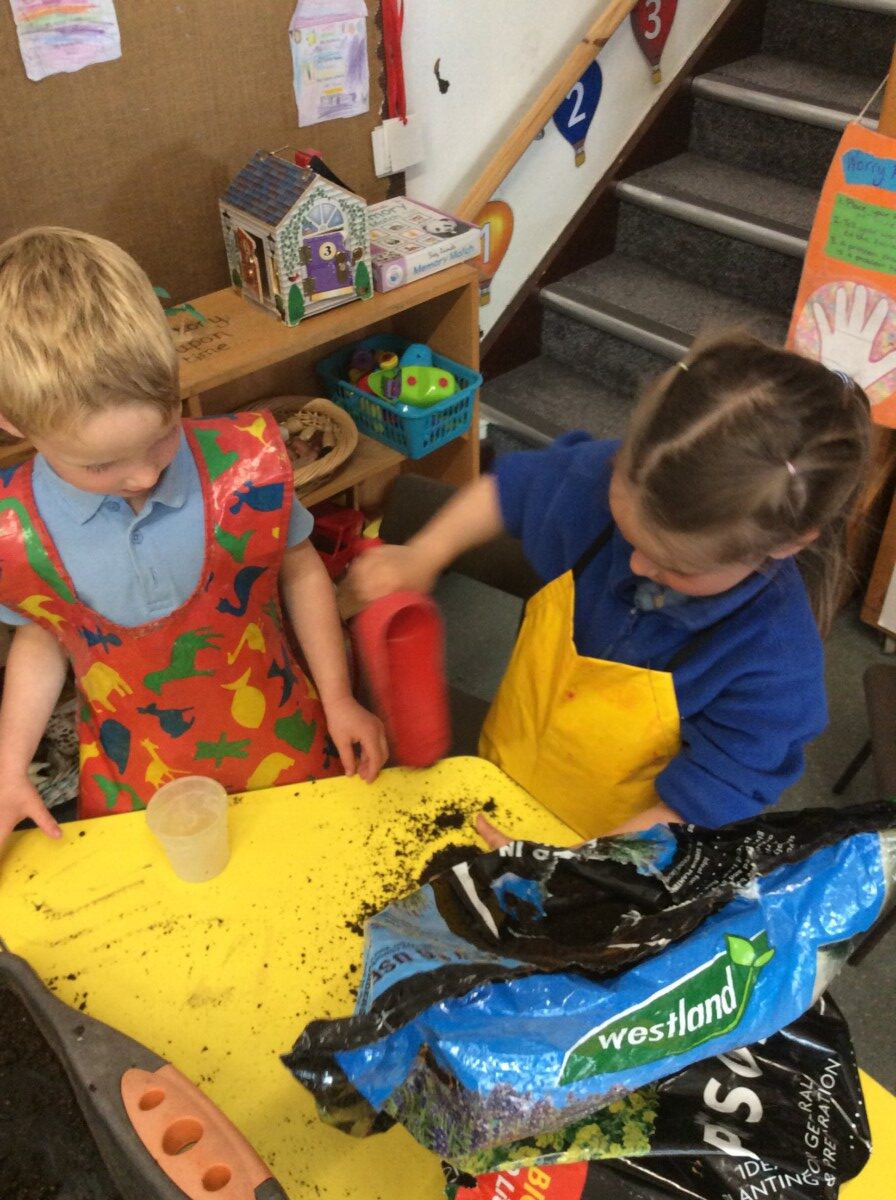
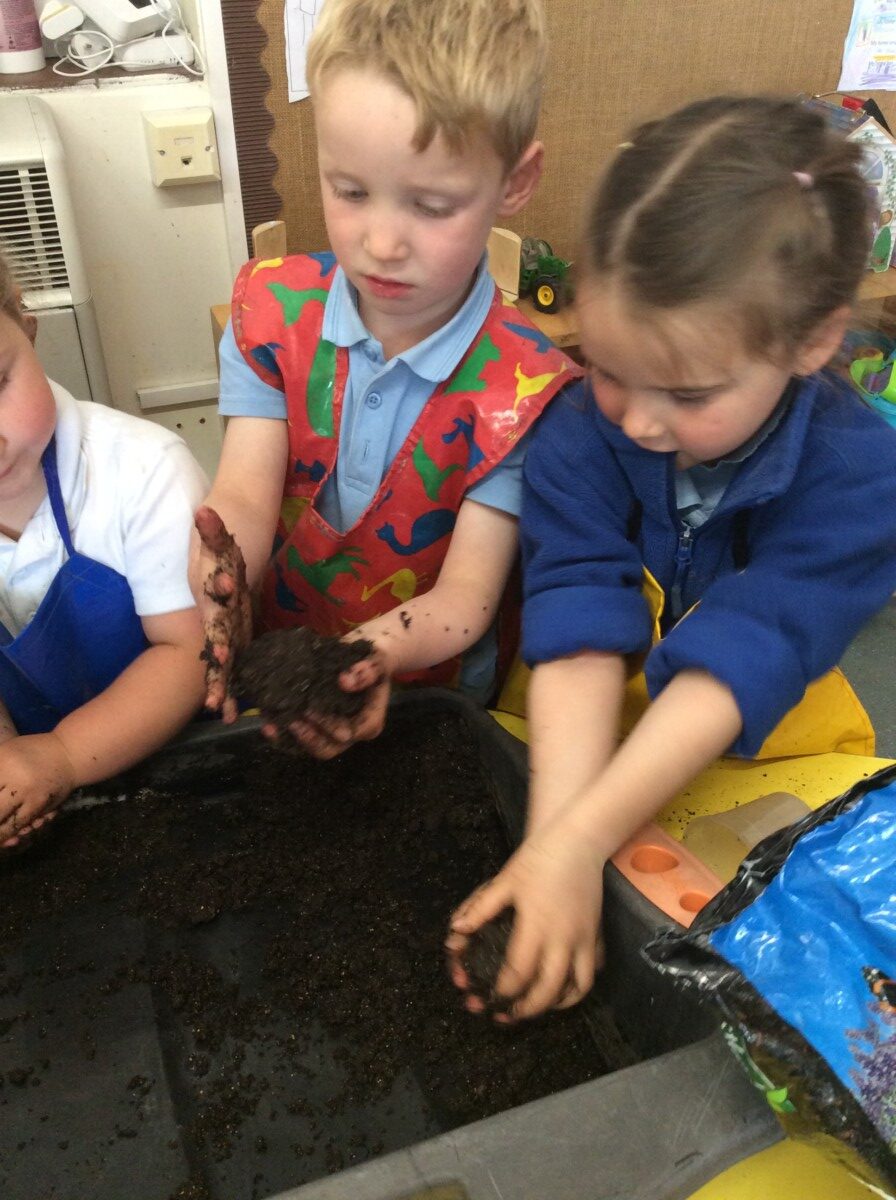
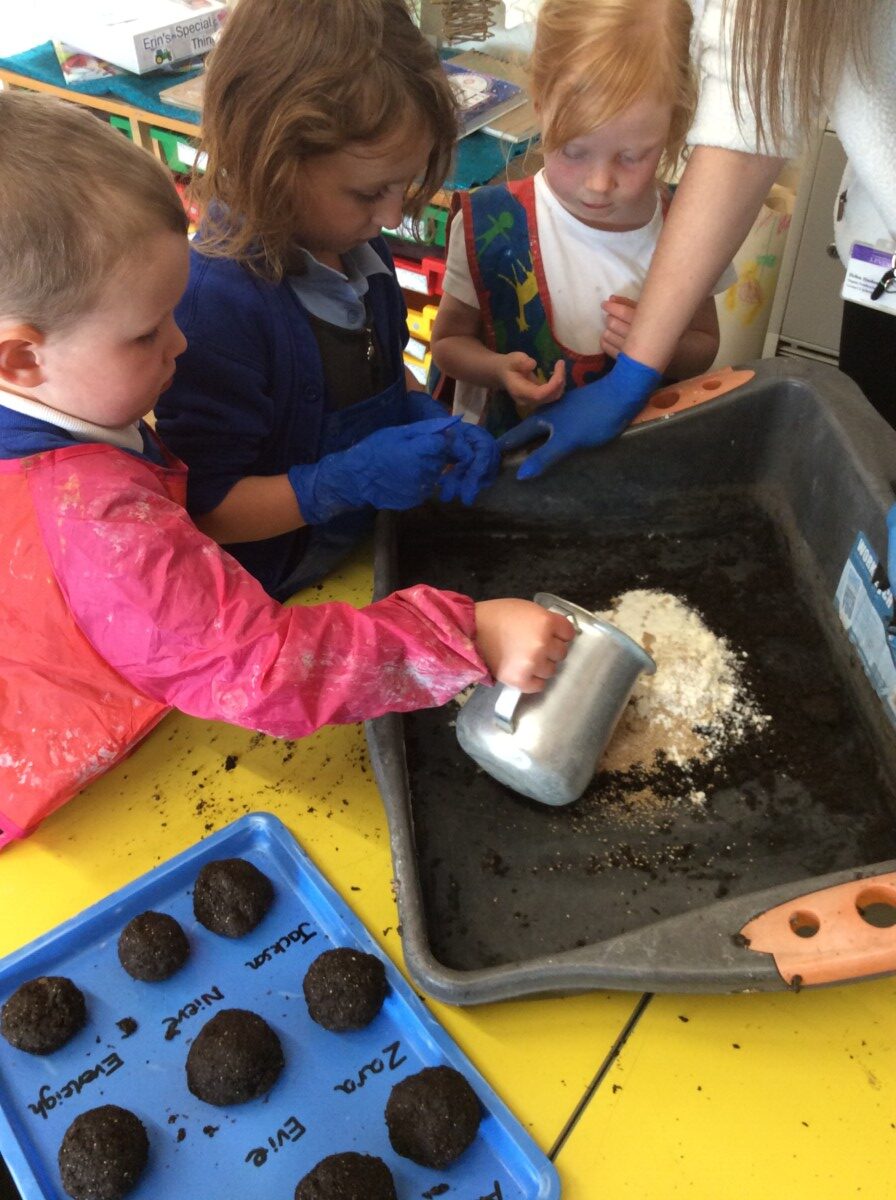
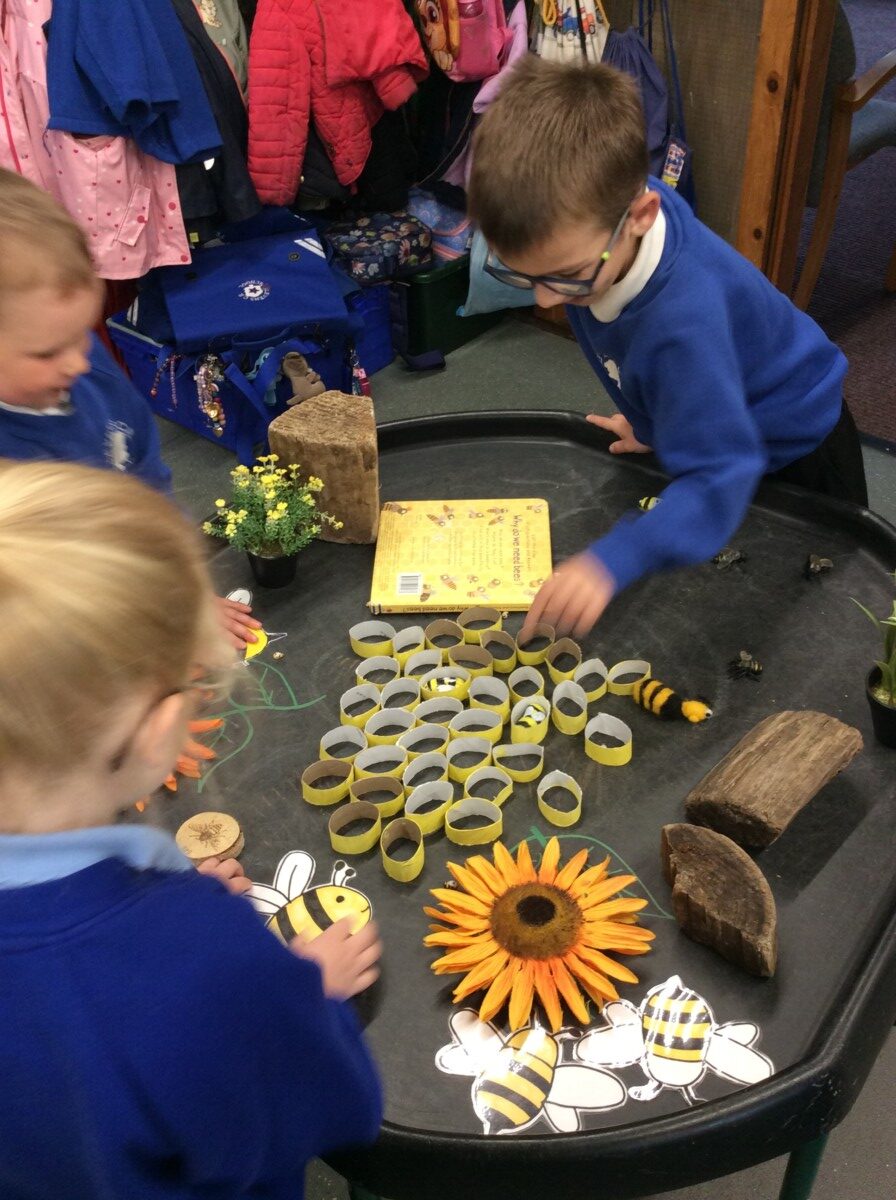
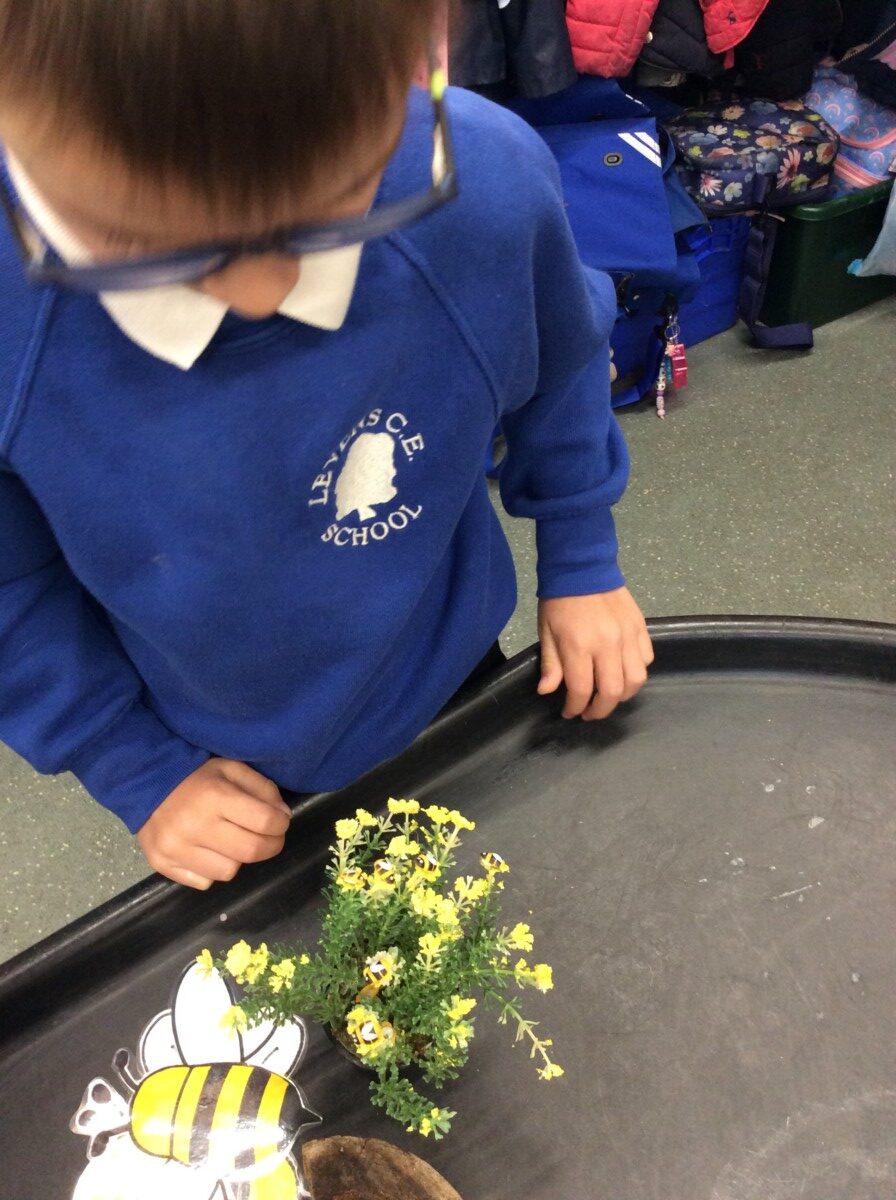
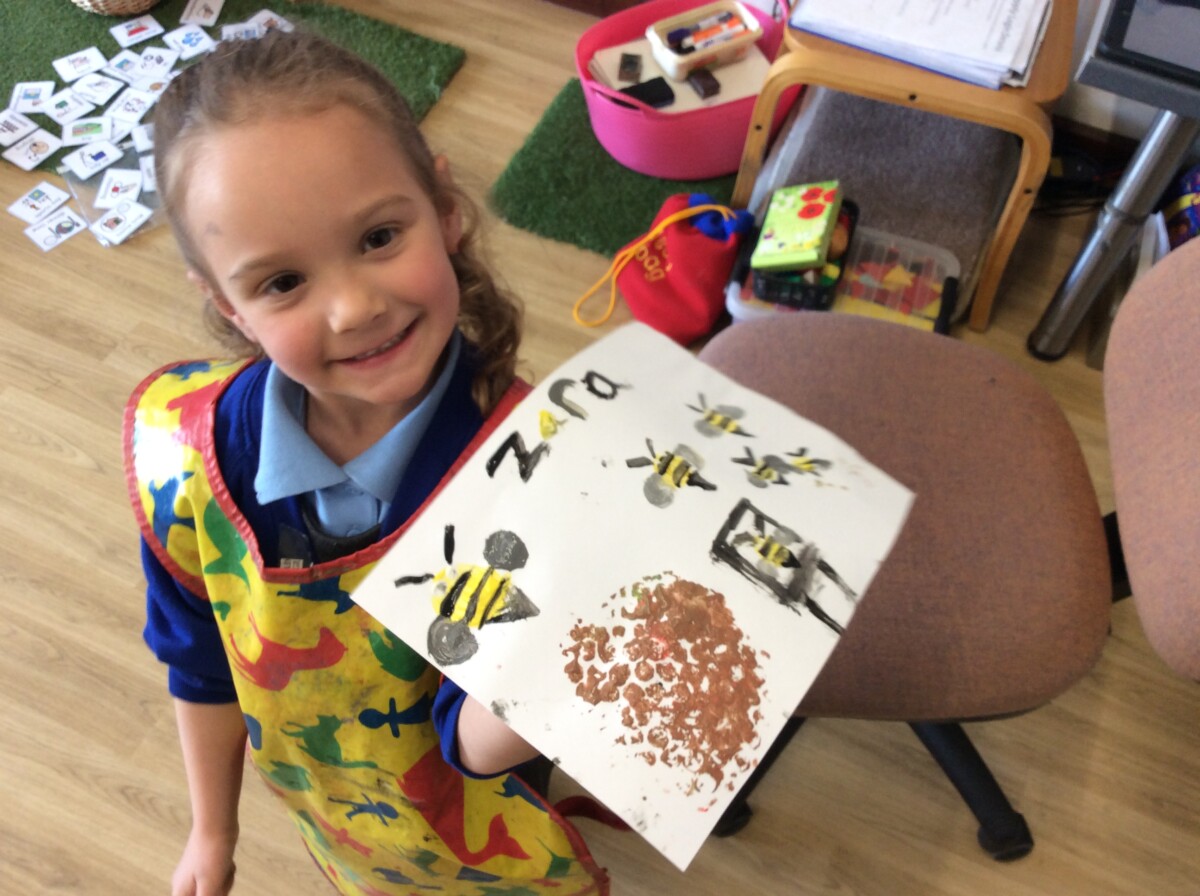
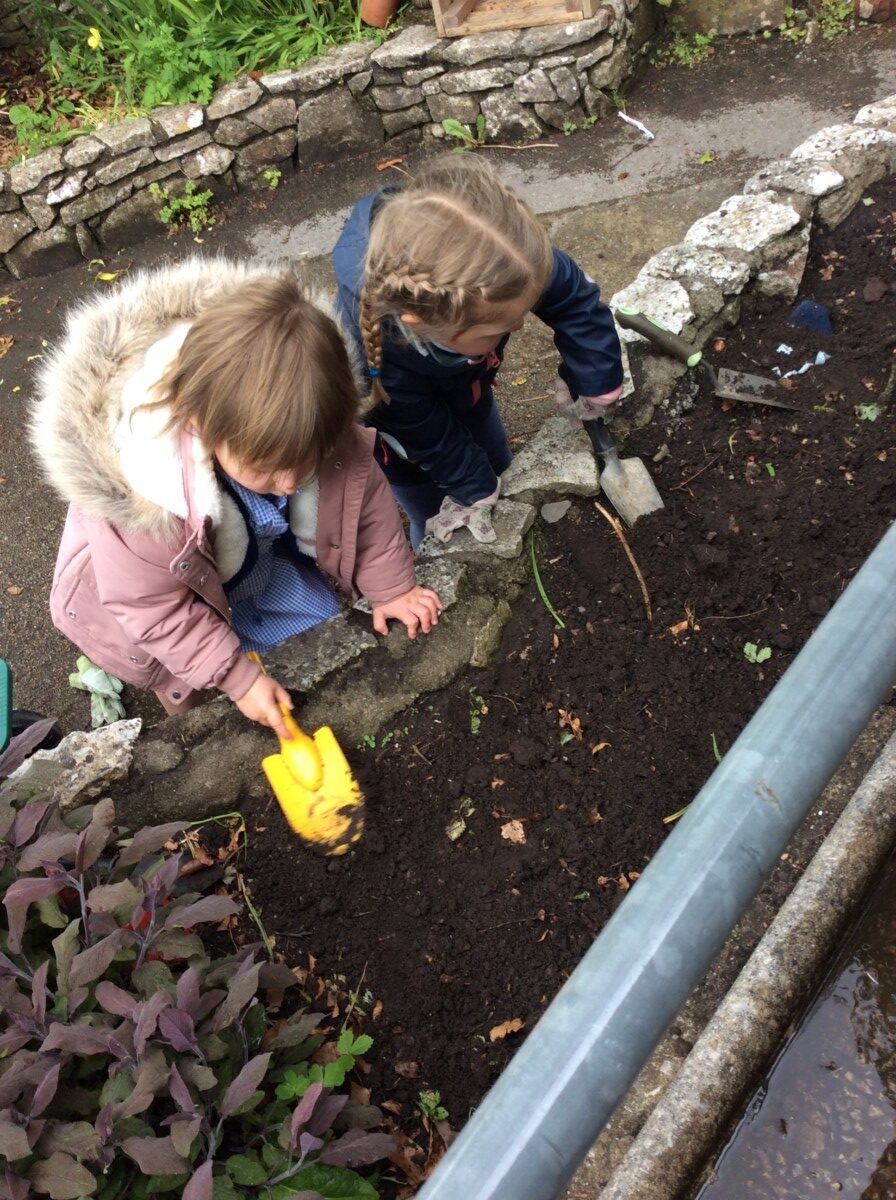
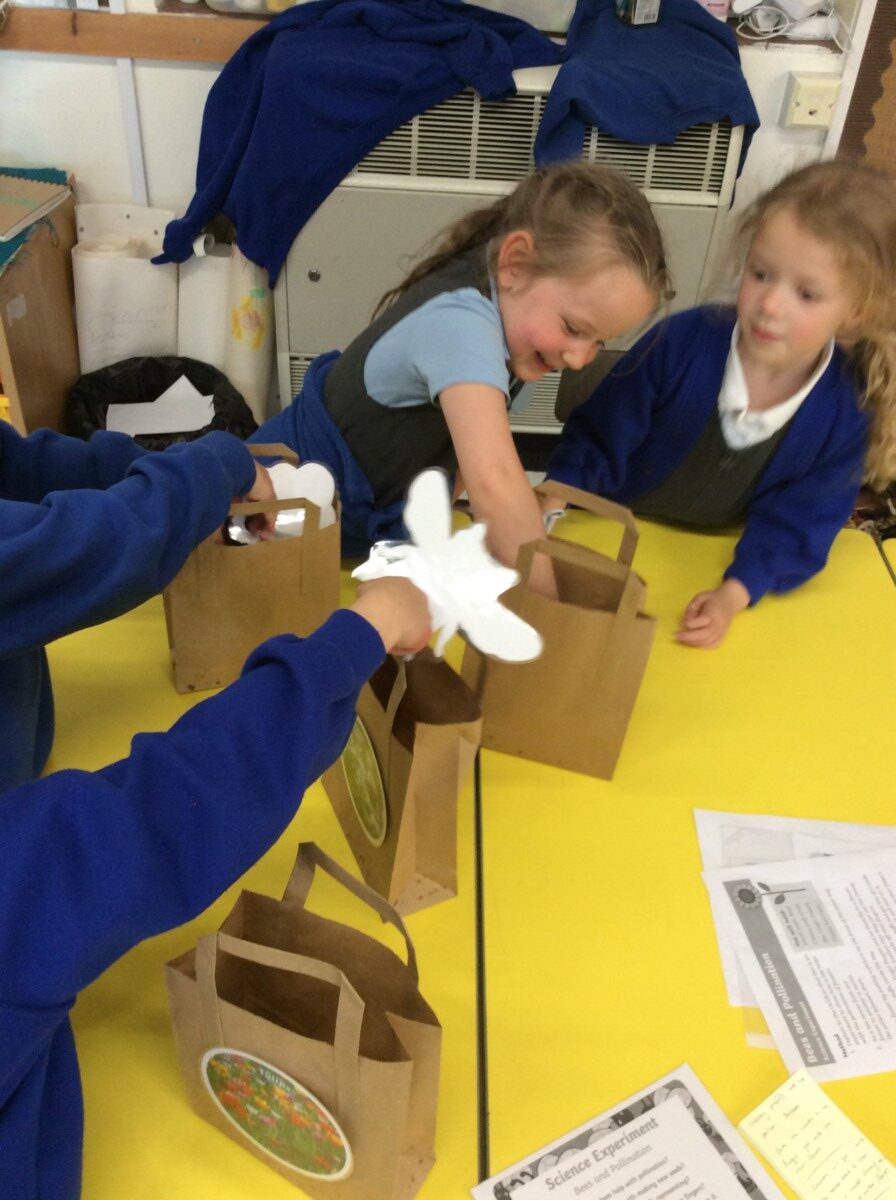
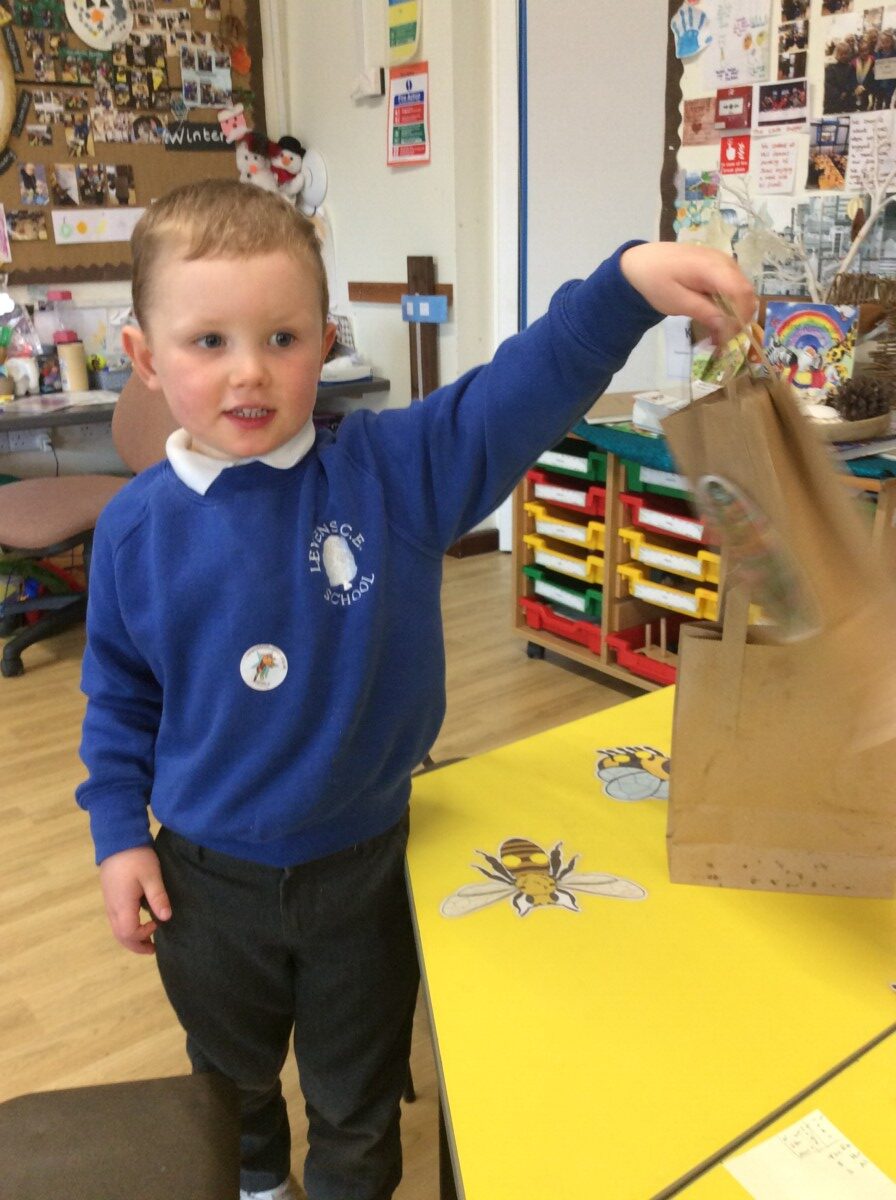
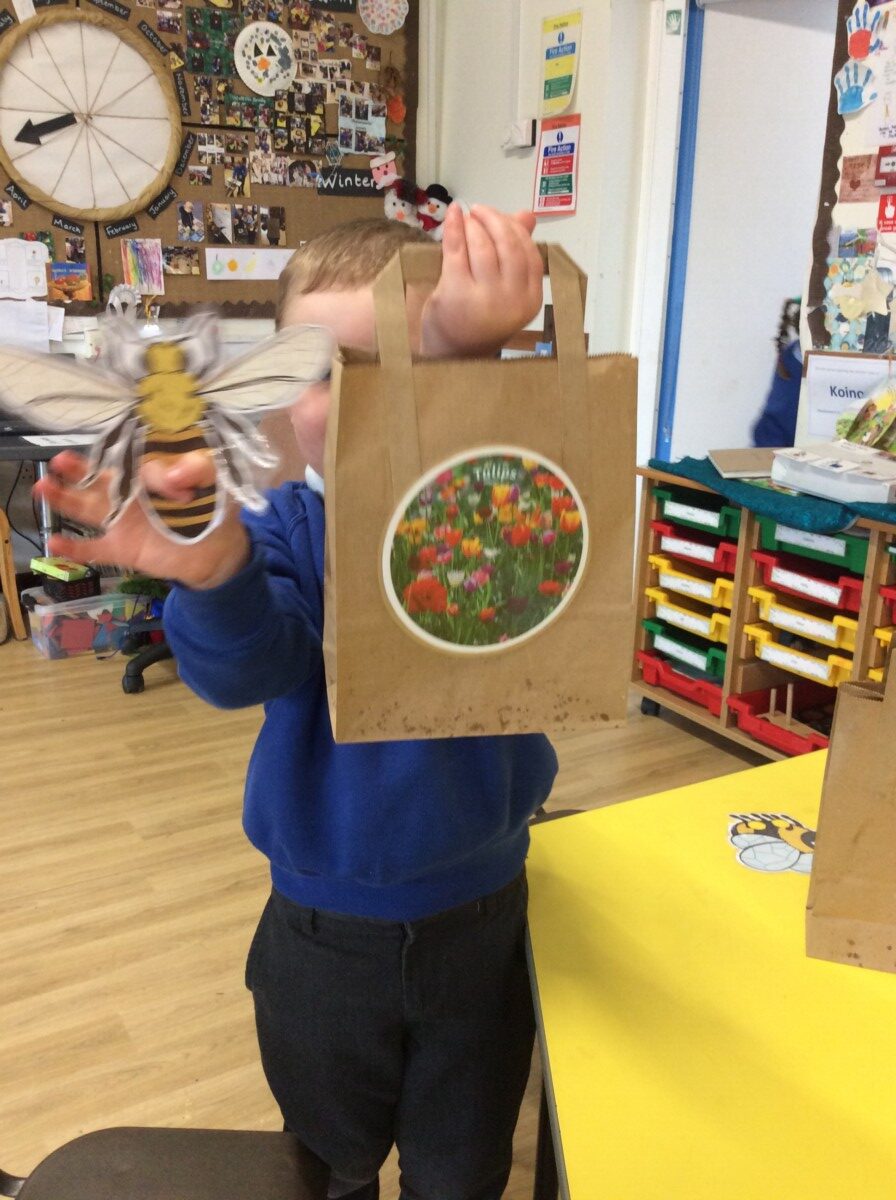
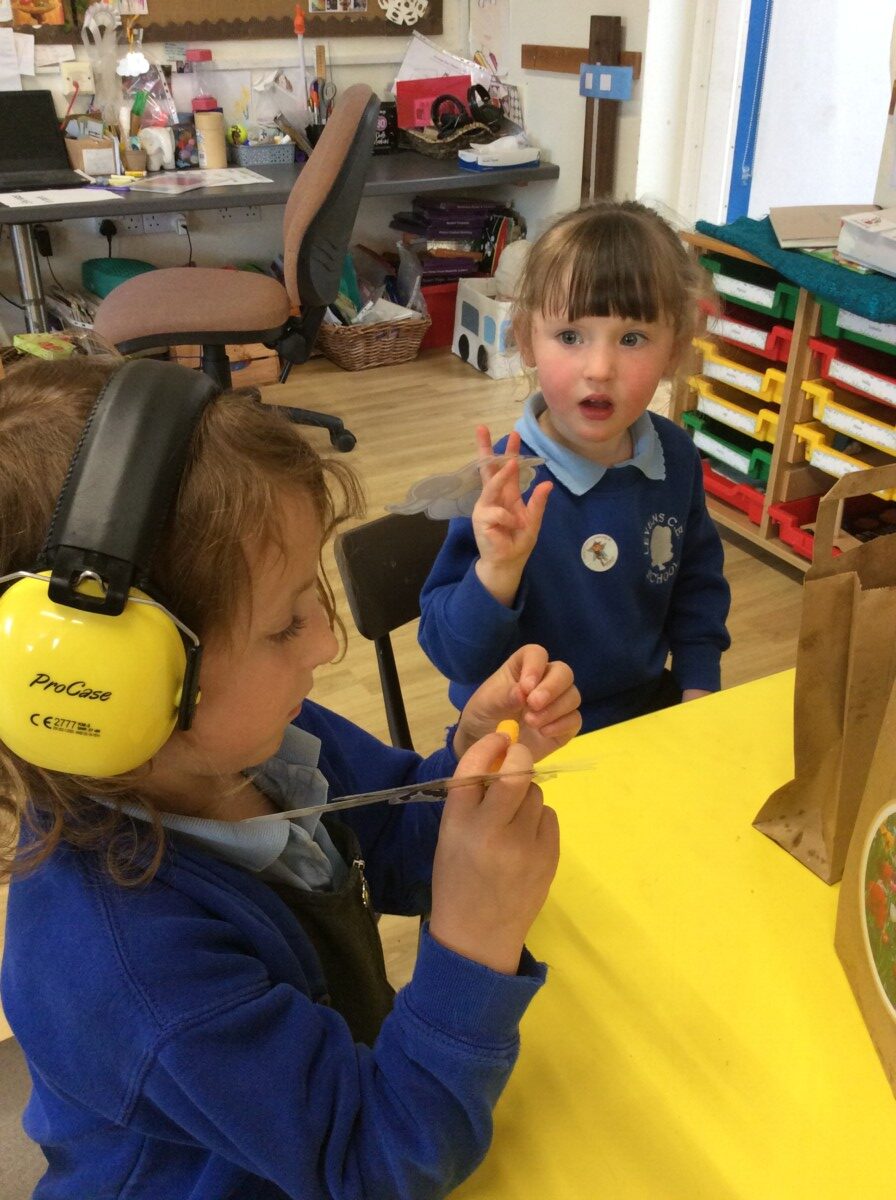
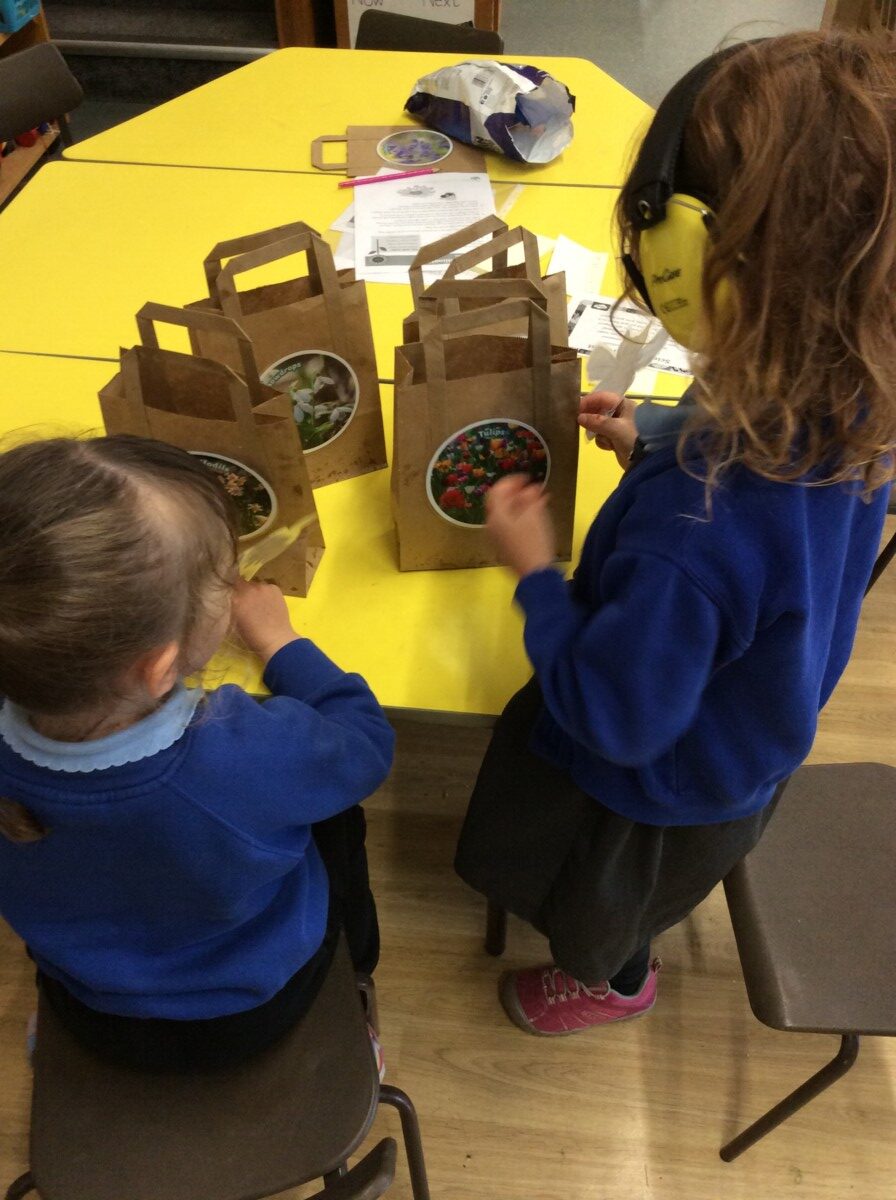
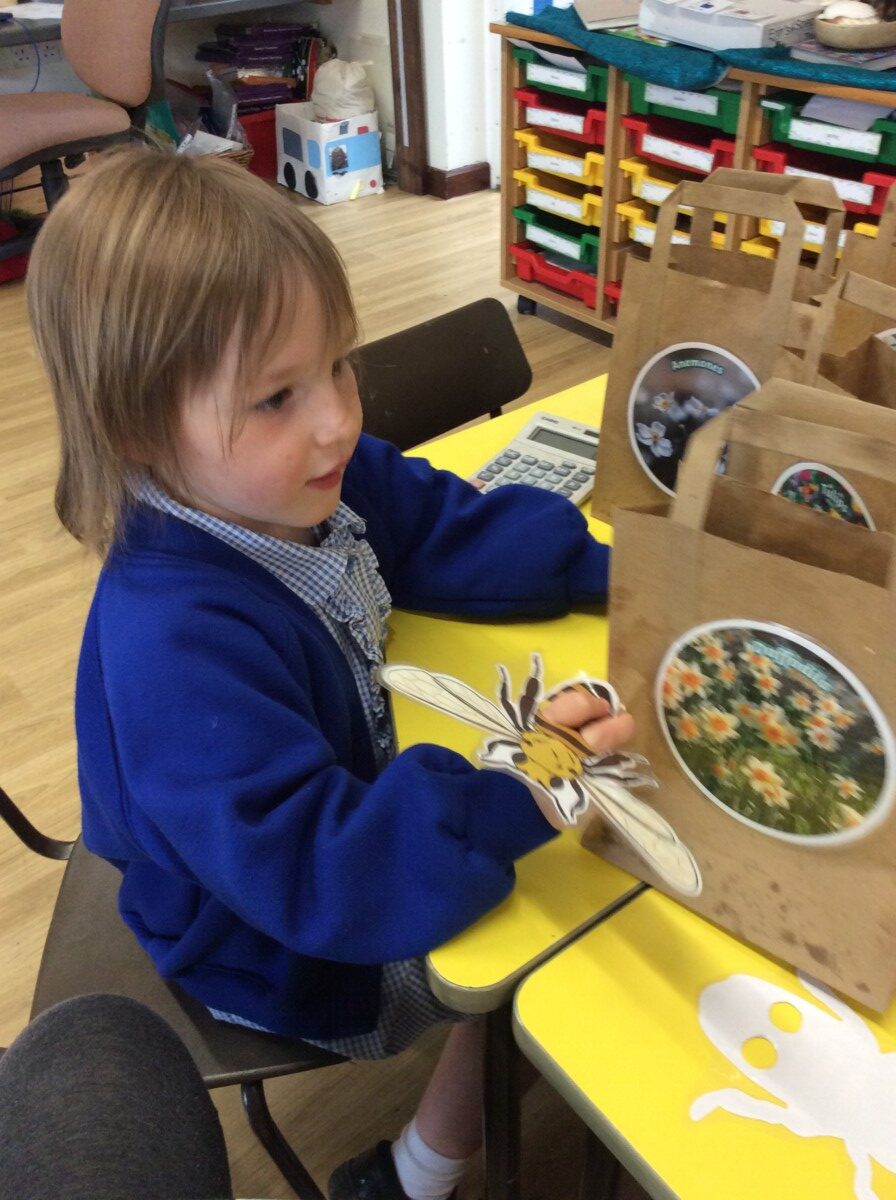
Children in nursery and reception have been exploring the importance of bees and what can be done to promote more bee-friendly environments. They explored wild flowers, learning that they provide a crucial food source for bees and worked together to make and plant wild flower seed bombs in the outdoor area of our classroom. Children in Reception also completed some ‘bee spotting’ homework over the half-term holidays to research the colour of flowers the bees were most attracted to. They enjoyed an interactive visit from a local bee keeper, learning about the process of pollination and how this is a crucial process for producing the vast majority of fruits, vegetables and nuts.
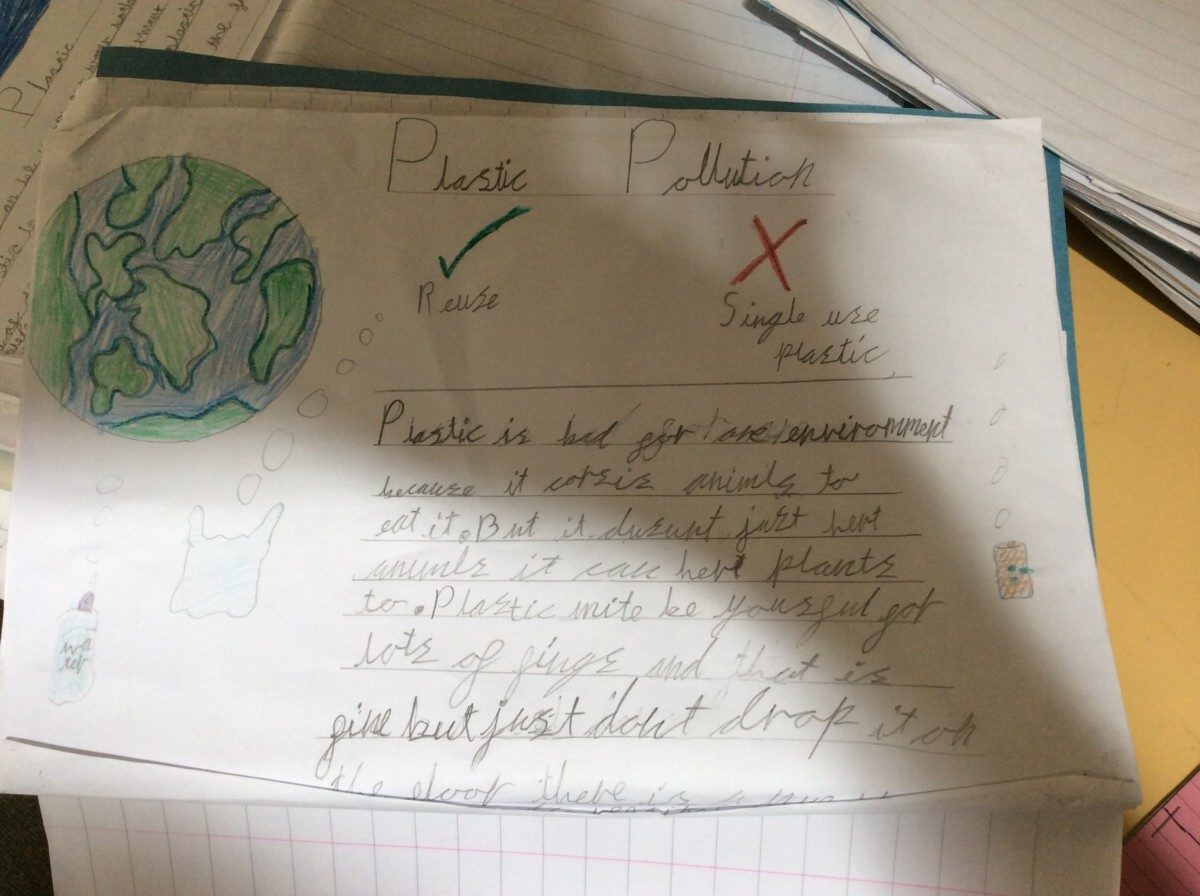
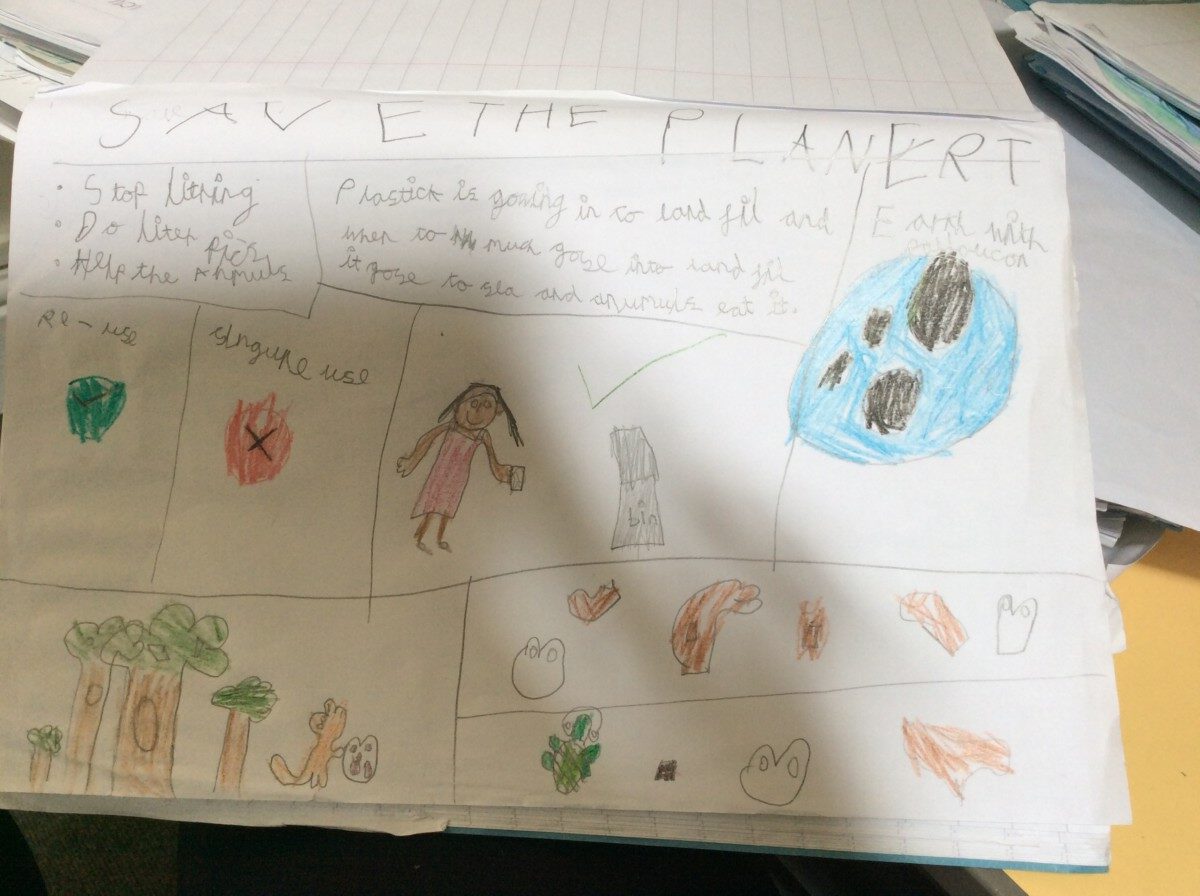
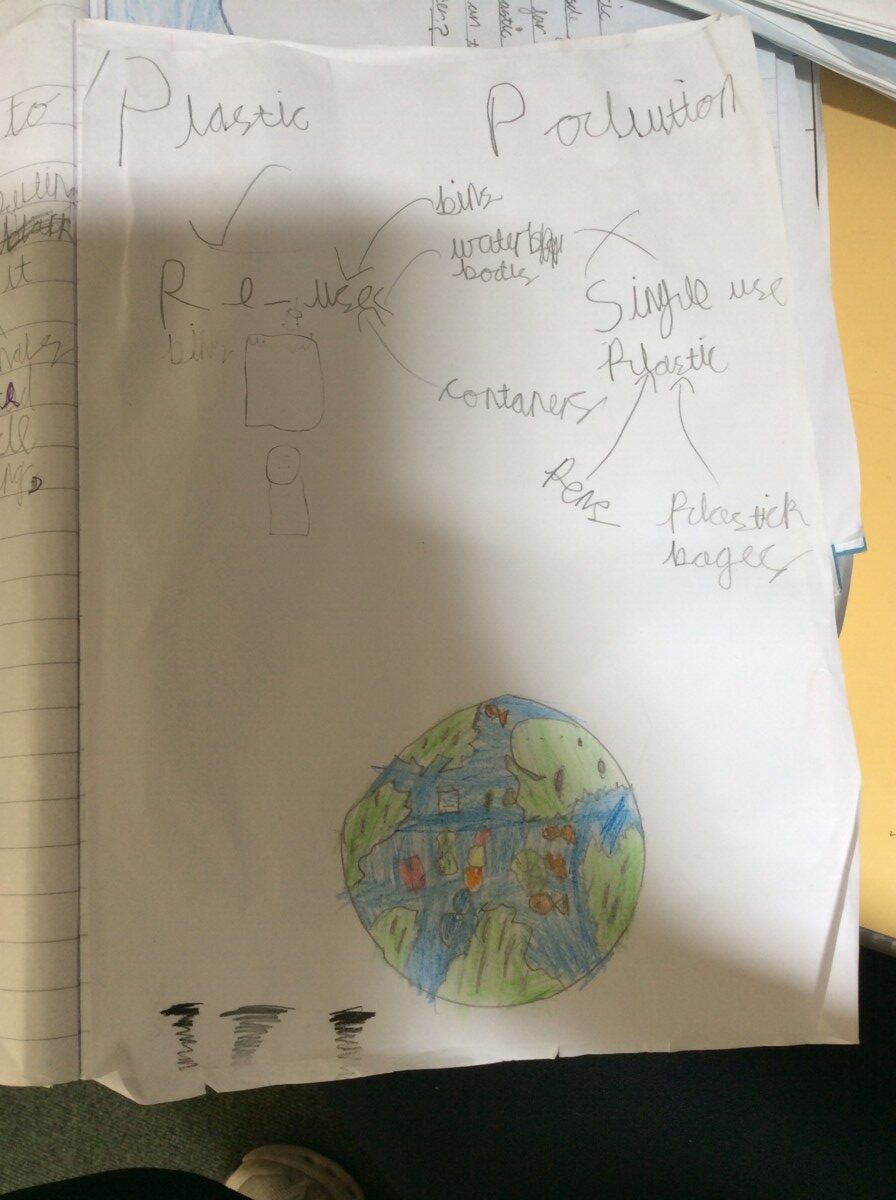
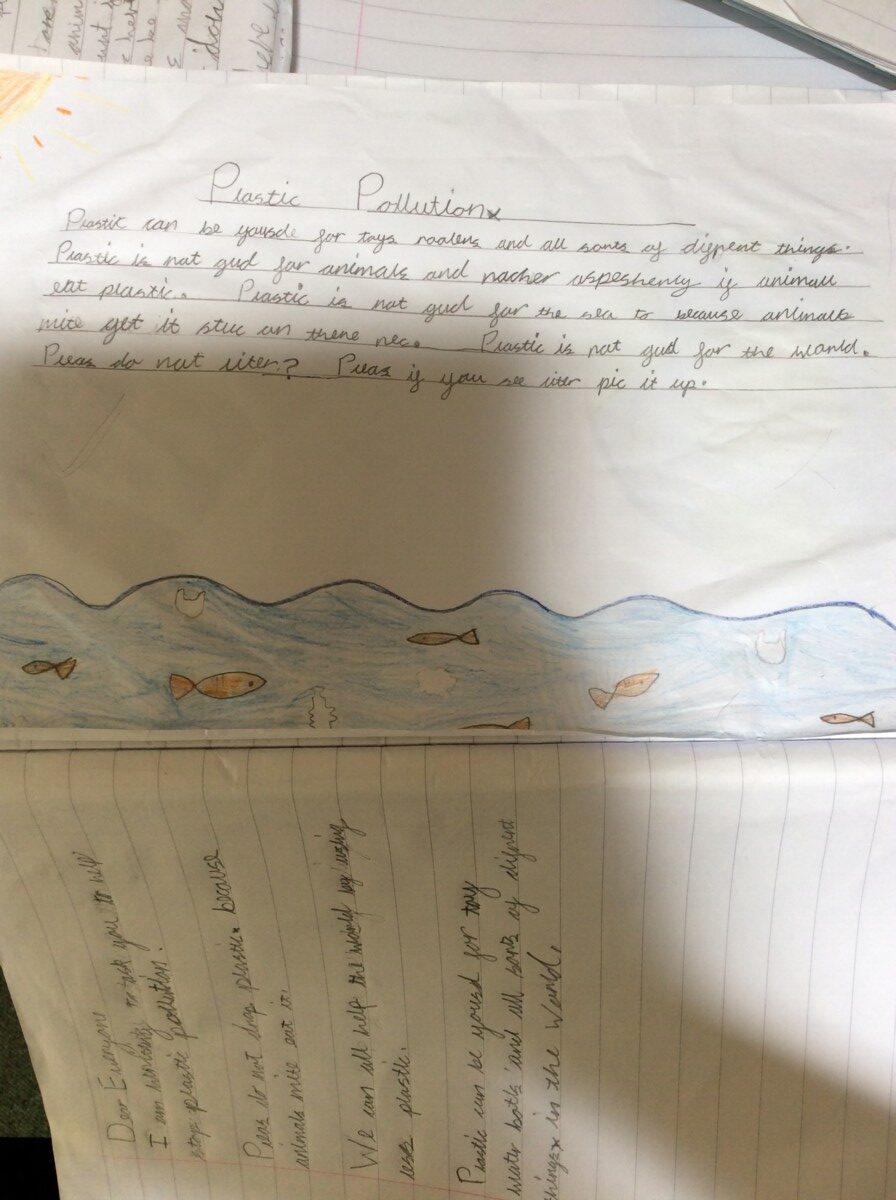
Class 2 – Plastic Pollution!
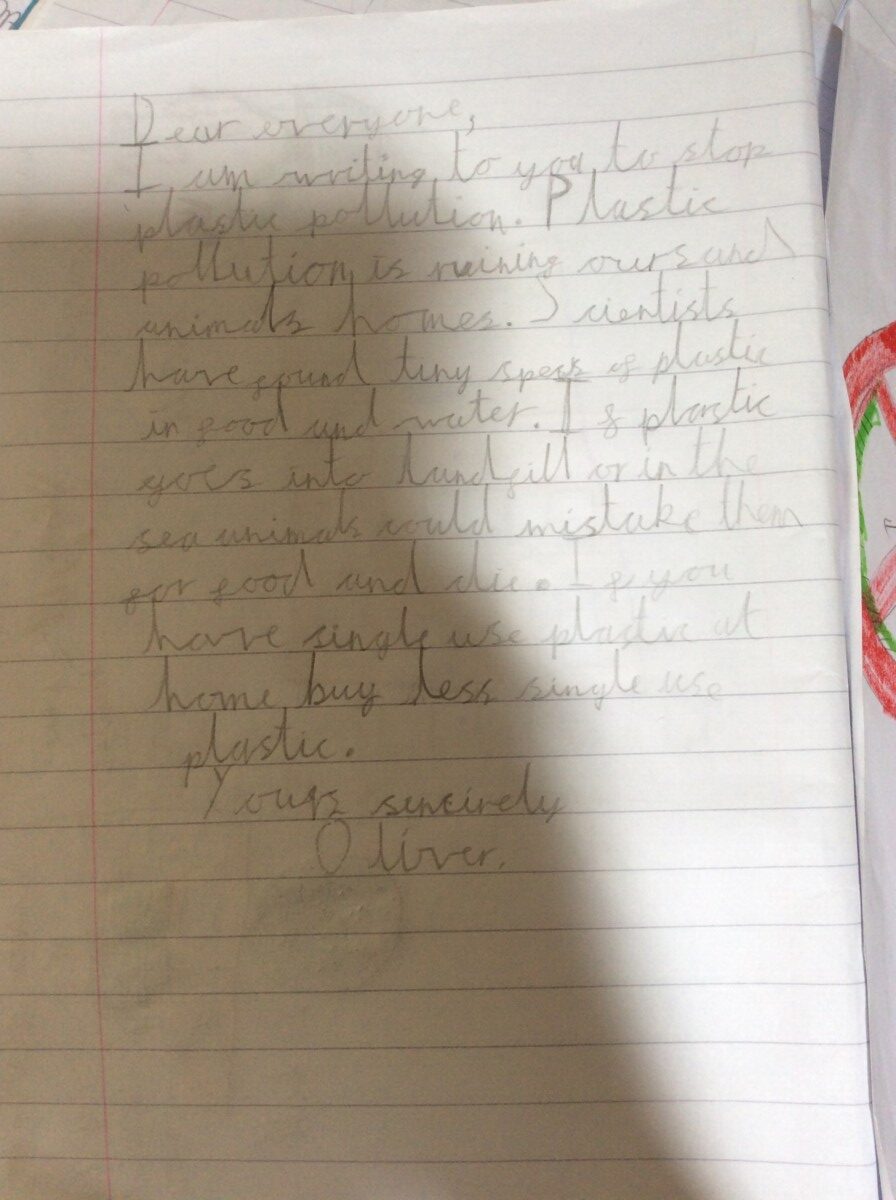
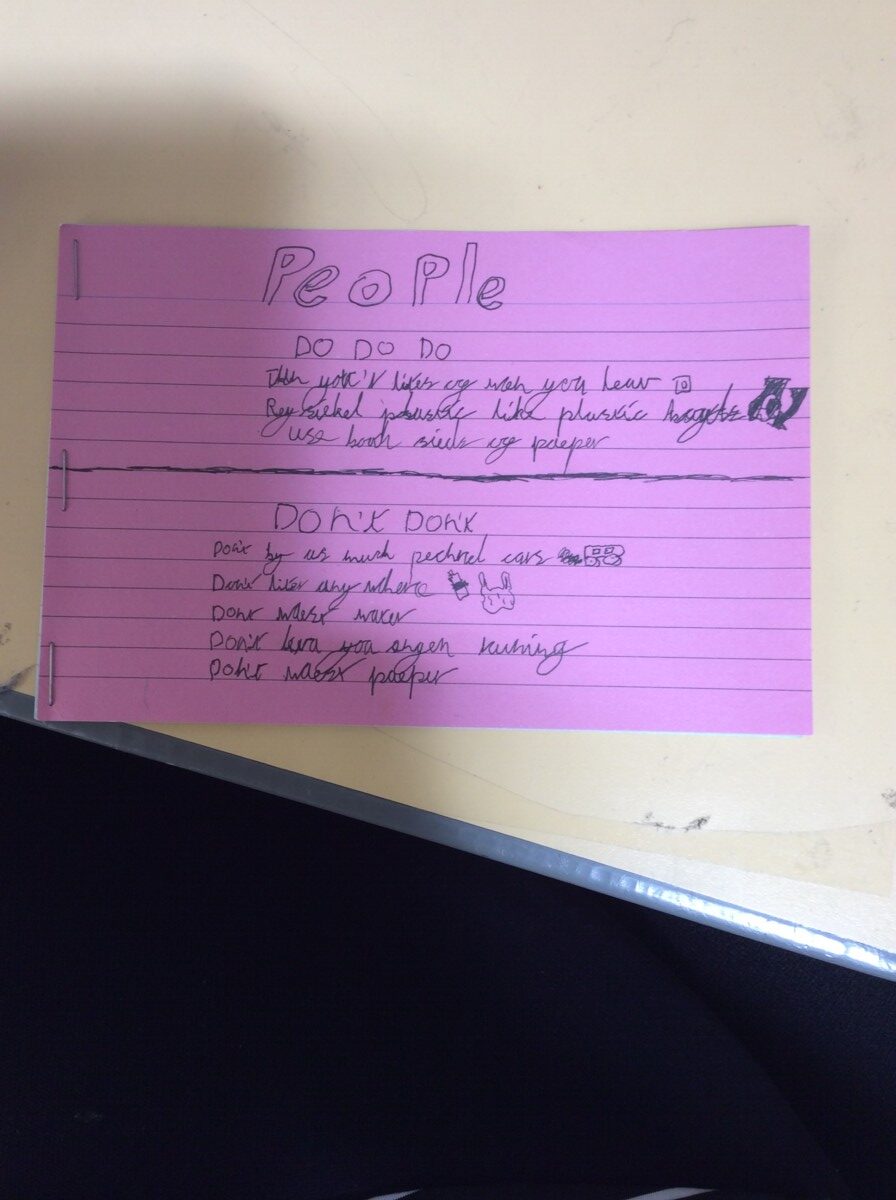
We have been learning about plastic pollution and how it affects habitats, oceans, and animals around the world. We explored how plastic waste can end up in rivers and seas, where it can harm wildlife by being eaten or becoming tangled around animals. We discussed the dangers that single-use plastics, such as plastic bags, bottles, straws, and packaging, can pose to living things and their environments. As part of our learning, we investigated ways that people can reduce plastic pollution and make more environmentally friendly choices. We talked about the importance of reusing items, recycling correctly, and choosing sustainable alternatives whenever possible.
To share our learning with others, we created eye-catching posters to raise awareness about plastic pollution and encourage people to think carefully about the choices they make. We also wrote persuasive letters encouraging people to stop using single-use plastics and to adopt more environmentally friendly habits.
Class 4 – Courageous Advocacy
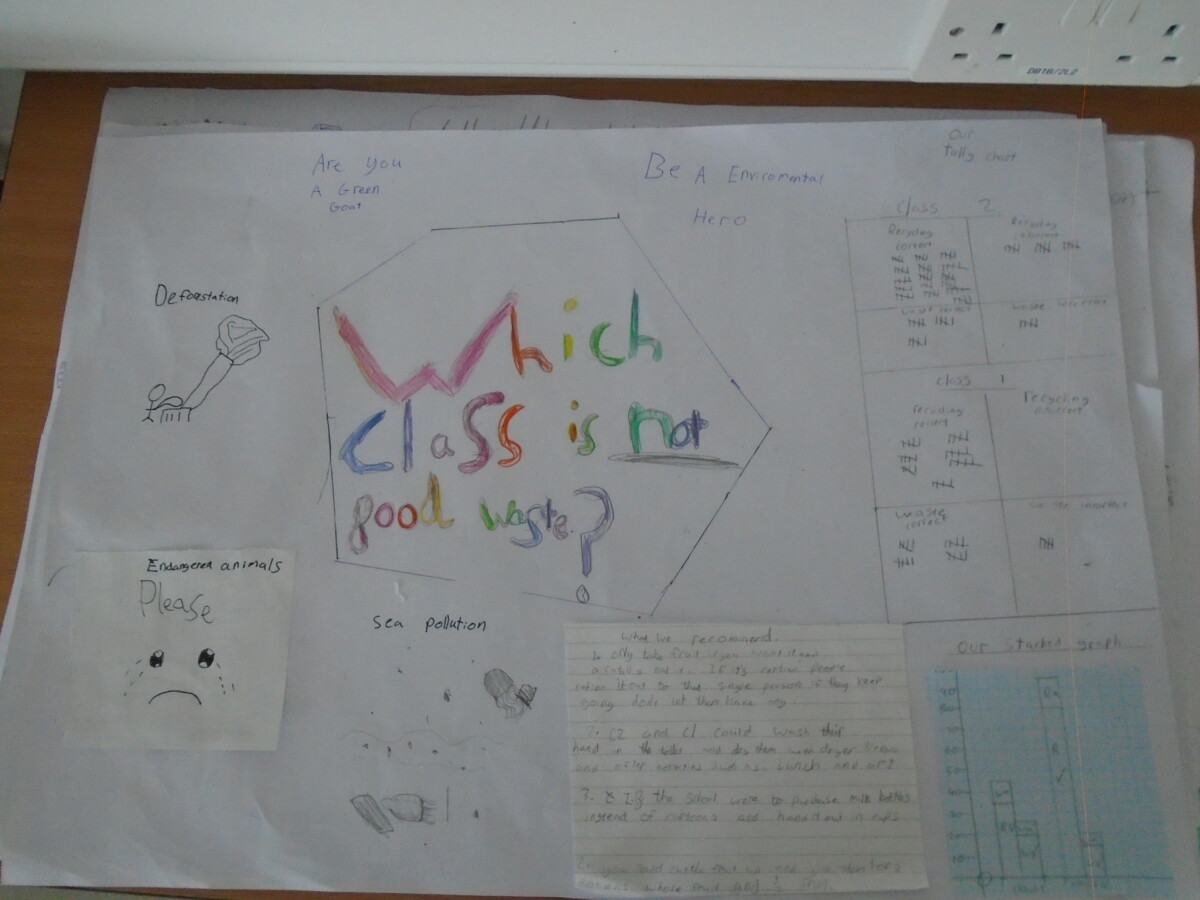
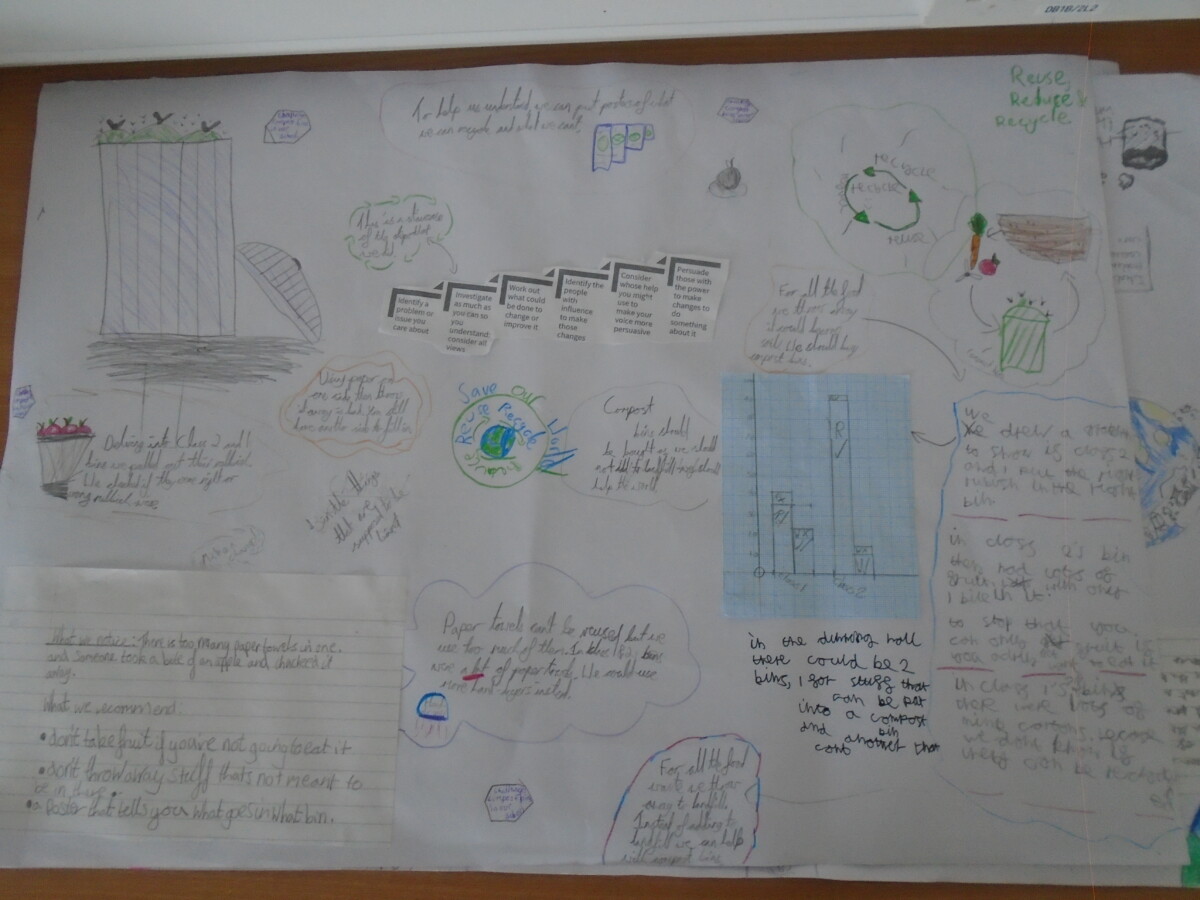
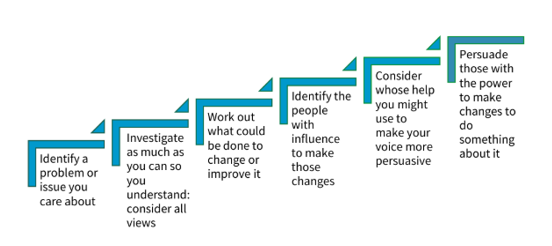
Class 4 began by studying the steps of Courageous Activism. We already knew that we wanted to advocate for the environment, so we began to investigate. We thought about all aspects of our school life and considered what was going well and what we might like to improve. We needed data to support our decisions, so we decided to get some. Fully gloved up, some brave Class 4 students went for a bit of a dig through some school bins. Were we recycling as well as we thought we were?
After logging the data, we drew some charts and graphs to help us visualise what these numbers meant. We found that, on the whole, people are reasonably good at recycling across school. However, we did identify some areas for improvement – use of paper towels for hand-drying and food waste from uneaten snacks. Based on what we found, we made suggestions and set challenges for the whole school to widen our impact. Helpfully, Class 3’s project on composting would make an impact on the food waste. With some encouragement towards use of hand-dryers around school instead of paper towels, we will see an improvement when we check again in the future!